 Español
  English

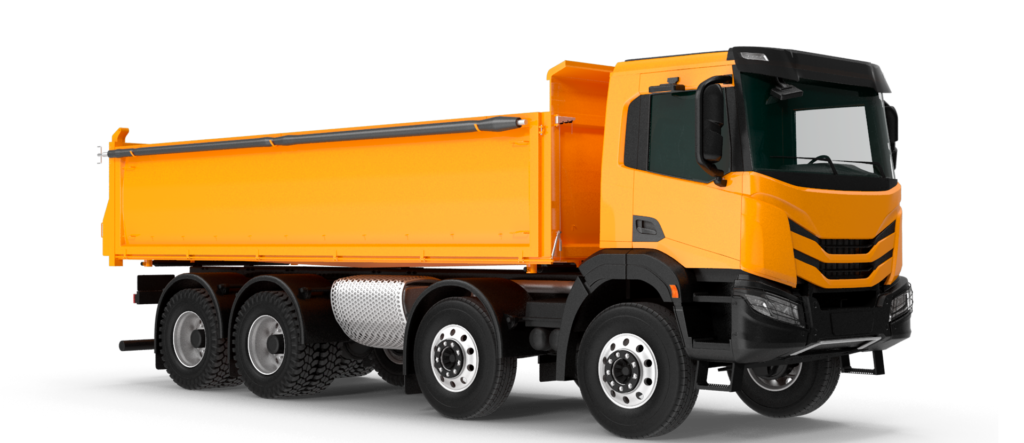
Dump truck
It is mandatory coverage for any type of commercial business, since it is the coverage that covers in case of damage to third parties. It is called a civil liability policy. In addition, it has two sub-coverages that pay in the event that the insured is legally responsible for an accident: physical damage to persons Body Injury (BI) and damage to the property of others Property Damage (PD). They also pay legal defense expenses if required due to lawsuits.
The Liability limits are:
• $5,000,000 Mandatory amount for Bus businesses that transport more than 26 passengers (not including the driver).
• $1,000,000 Amount that clients generally request since the companies they work with require this amount.
• $750,000 Minimum for Interstate businesses.
• $500,000 Minimum for Intrastate businesses and/or more than 15 passengers (including the driver) and less than 26 passengers (not including the driver).
• $300,000 Amount for household product carriers with a gross weight, registered weight, or gross weight rating of less than 10,001 pounds and towing vehicles generally.
Covers when the other driver involved is found legally responsible for the accident and is considered “uninsured” or “underinsured.” That is, if you are uninsured, underinsured, or run away and do not pay for the damages caused, it covers injuries, including death, that you and the occupants of the insured vehicle suffer. It is an extension of the Liability policy.
This coverage covers in case of damage to the insured’s vehicle. This coverage is generally used when the insured was responsible for the accident, his Liability will cover damage to third parties and his Physical Damage will cover his own vehicle. It has two Sub-coverages: in cases of Collision crashes and cases of Comprehensive natural effect events.
Primary liability coverage during the use of the truck where the power unit is operated without a trailer and for a commercial purpose, either when picking up cargo or returning from delivering one.
This coverage covers cases of negligence on the part of the insured in vehicle loading and unloading operations. It also covers in cases of an incident within a property. The limits of this policy are generally $1,000,000 with an aggregate of $2,000,000. However, it depends on the request of the company for which the insured works; they may require specific amounts to be able to hire them.
It covers when the trailers in which the loads are transported do not belong to the insured, but to the company for which he works. There may be two or more trailers that this company will supply and therefore they would not be identified, but they require that have a “Physical Damage” policy. The appraisal of the Interchange Trailer is required by the company for which the insured works.
Provides timely benefit payments if an insured or other people covered by the policy are injured in an accident. It is mandatory in the state of Florida . It is an extension of the Liability policy. PIP has three parts:
1. Medical benefits: Coverage of the costs of treatment that the insured receives from hospitals, doctors and other health care providers.
2. Disability benefits: Reimbursement of certain expenses resulting from injuries, such as lost wages or any reasonable expenses incurred in obtaining services from others during the period of disability.
3. Death coverage: Benefits payable if an insured dies from injuries sustained in an accident.
It is optional insurance coverage that pays reasonable and necessary medical expenses for covered individuals. These expenses must be incurred as a result of a car accident. It is an extension of the Liability policy.
Coverage acquired by the employer for its employees, covers disabilities for workers when they have an illness or injury due to the work performed. Similar to an ARL. This coverage does not only cover drivers, it also applies to those who load and unload, secretaries or any worker who is part of the business. This policy is required for commercial businesses in California.